News & Insights
Research notes and practical explanations of AI in drug discovery.

Agentic AI in Drug Discovery: What Agents Actually Do
What makes an AI agent different from a chatbot? Follow a research task through planning, tool use, unexpected results, and scientific review.
Read article →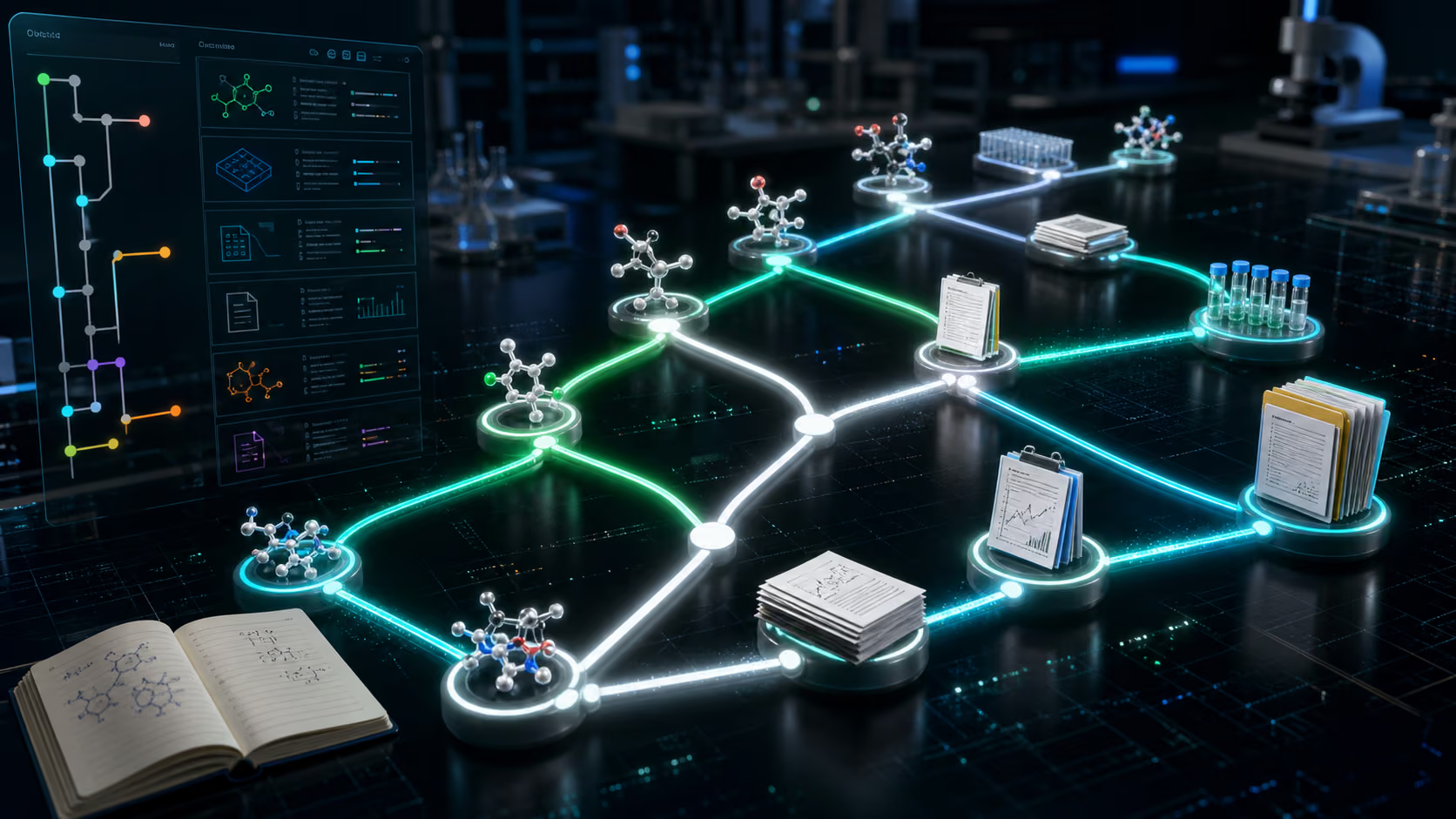
Pharma as Code: Keeping Drug Research in Version Control
Follow a corrected assay result through data, analysis, and reporting. See what Git can preserve, what belongs elsewhere, and how to review an AI agent's work.
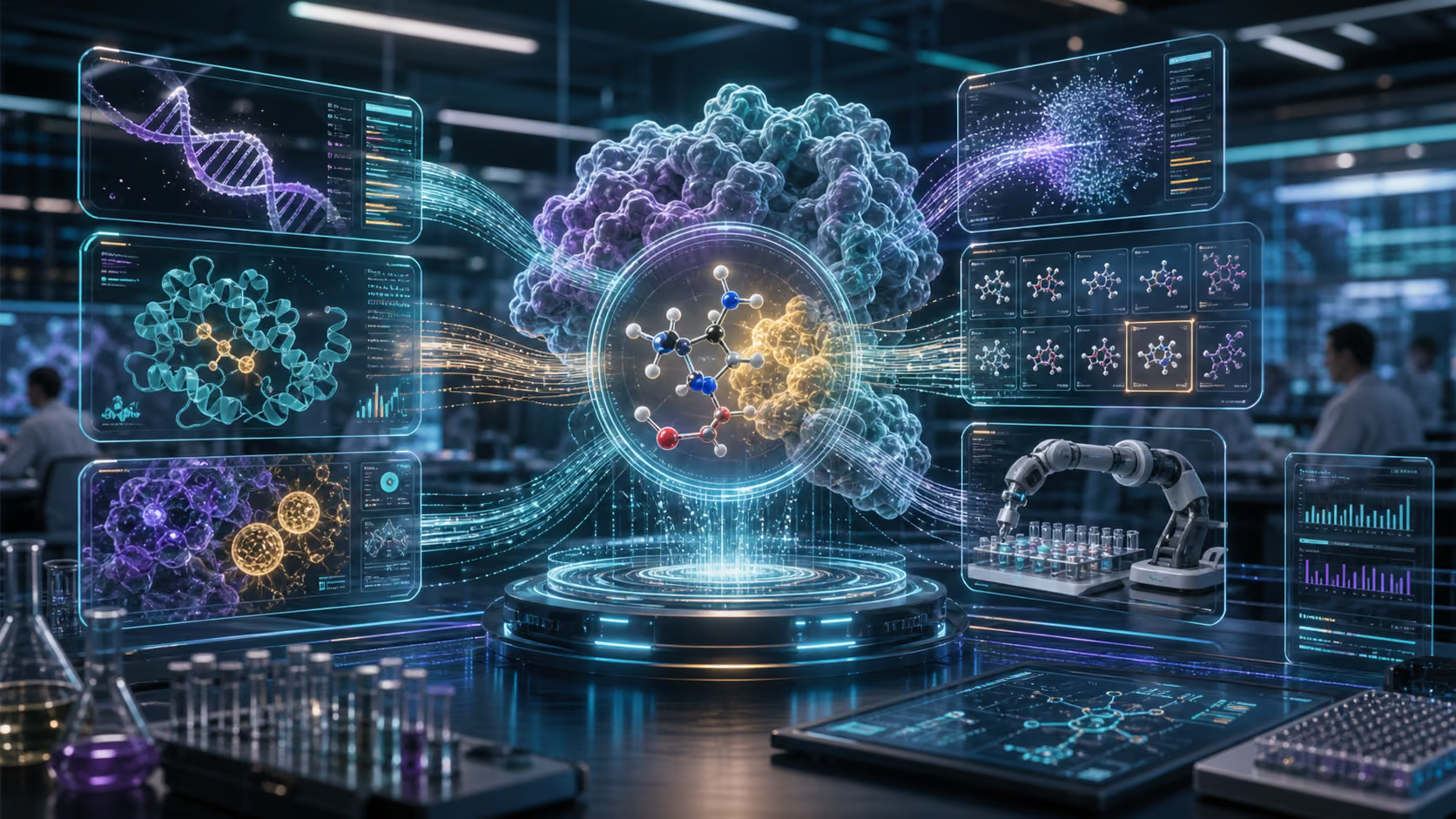
AI in Drug Discovery: How It Works, With Real Examples
How does AI help discover new medicines? Follow a molecule from prediction to experiment, explore the trade-offs, and learn how to read the evidence.
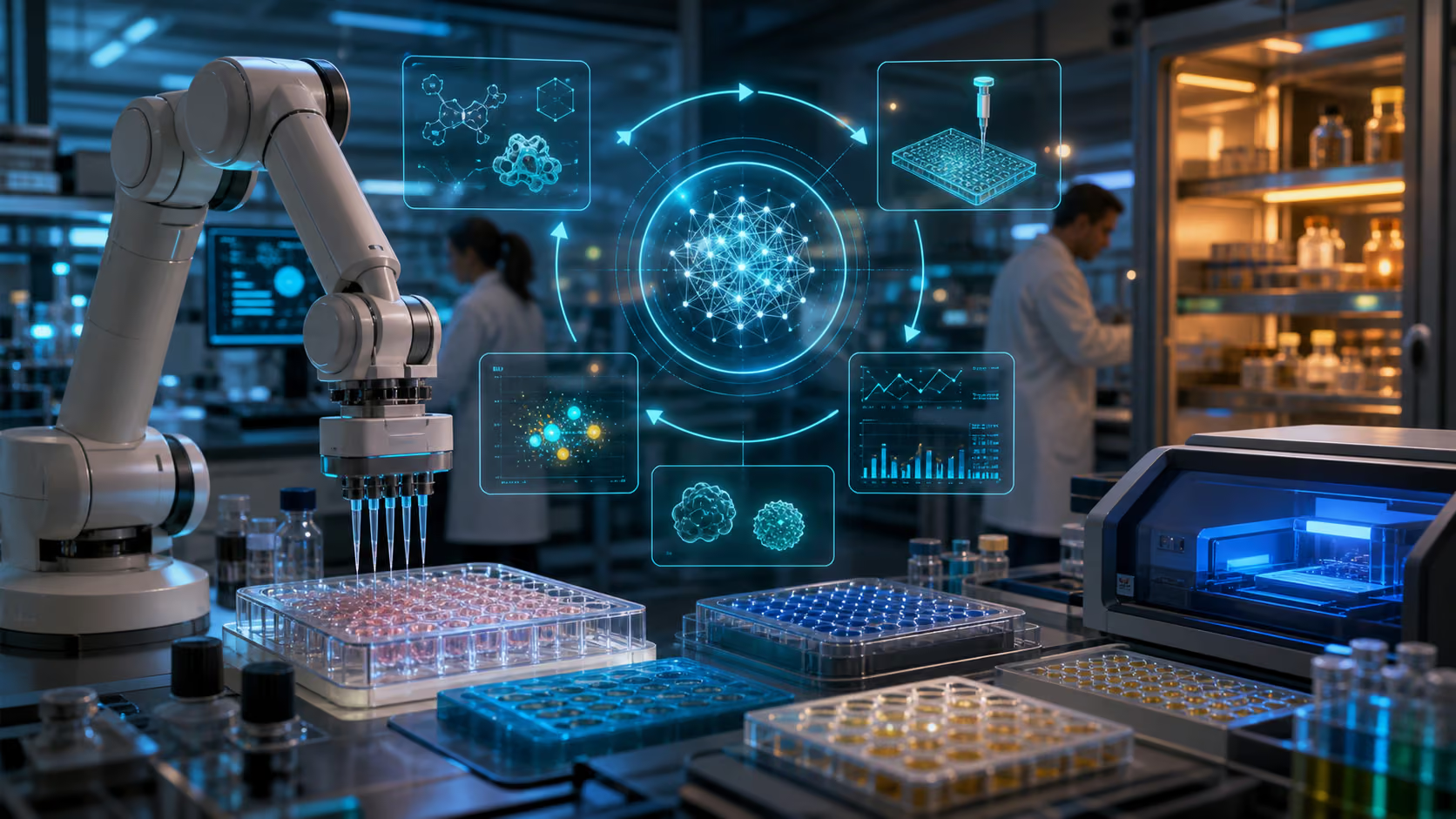
Autonomous Labs: How AI Learns From the Next Experiment
What makes a lab autonomous? Follow an experiment loop, explore a failed assay control, and see where robots and scientific judgment meet.
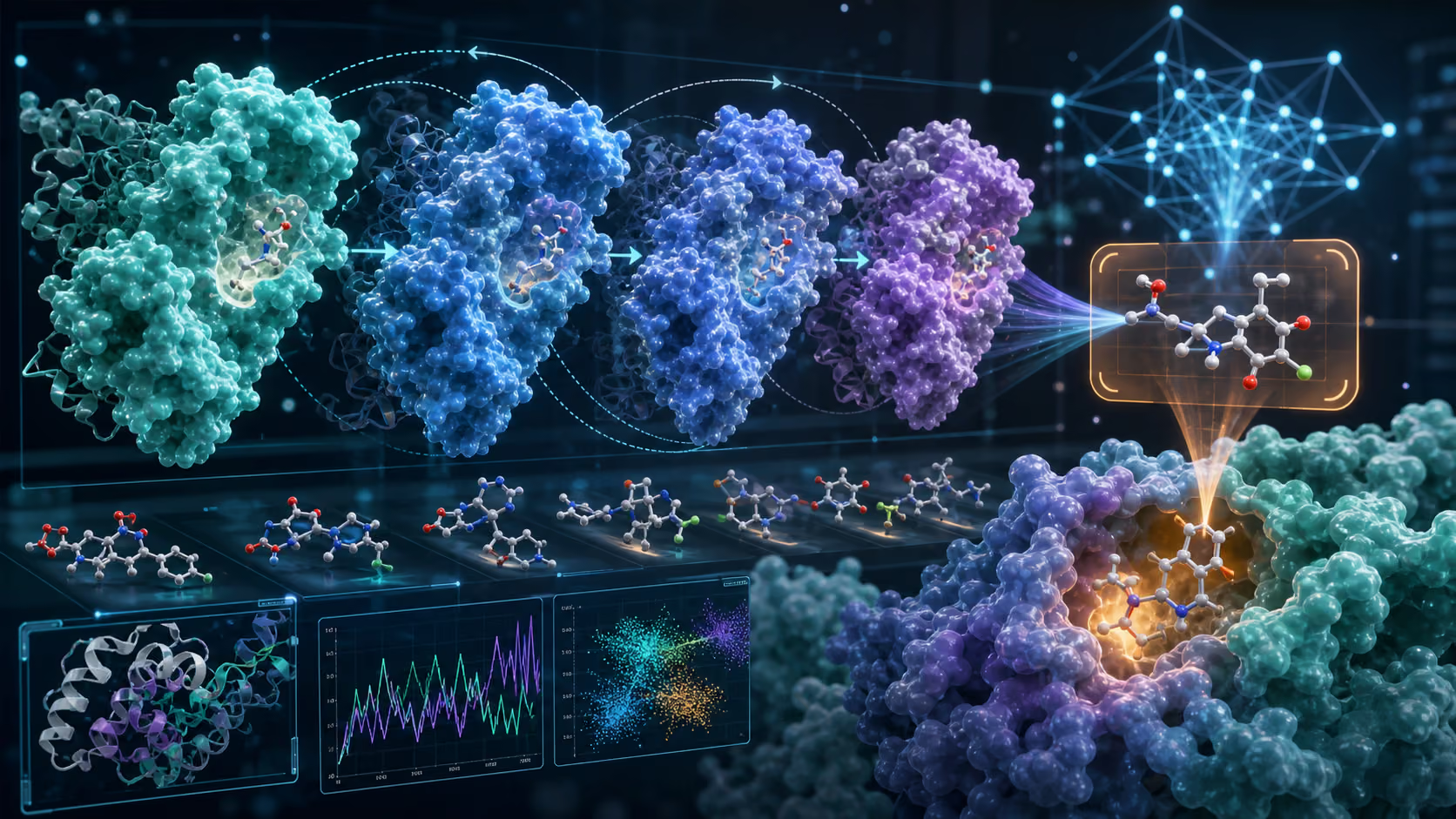
Protein Structures in Drug Design: Explore the Shape, Check the Evidence
Rotate a real protein in 3D, compare backbone and atom views, and learn why a plausible structure or docking pose still needs experimental evidence.

AI in Clinical Trial Design: Ask a Better Question Before Enrolling
Explore how effect size and sample size interact, then see how AI can support endpoint selection, simulation, and a trial question that patients and reviewers can understand.
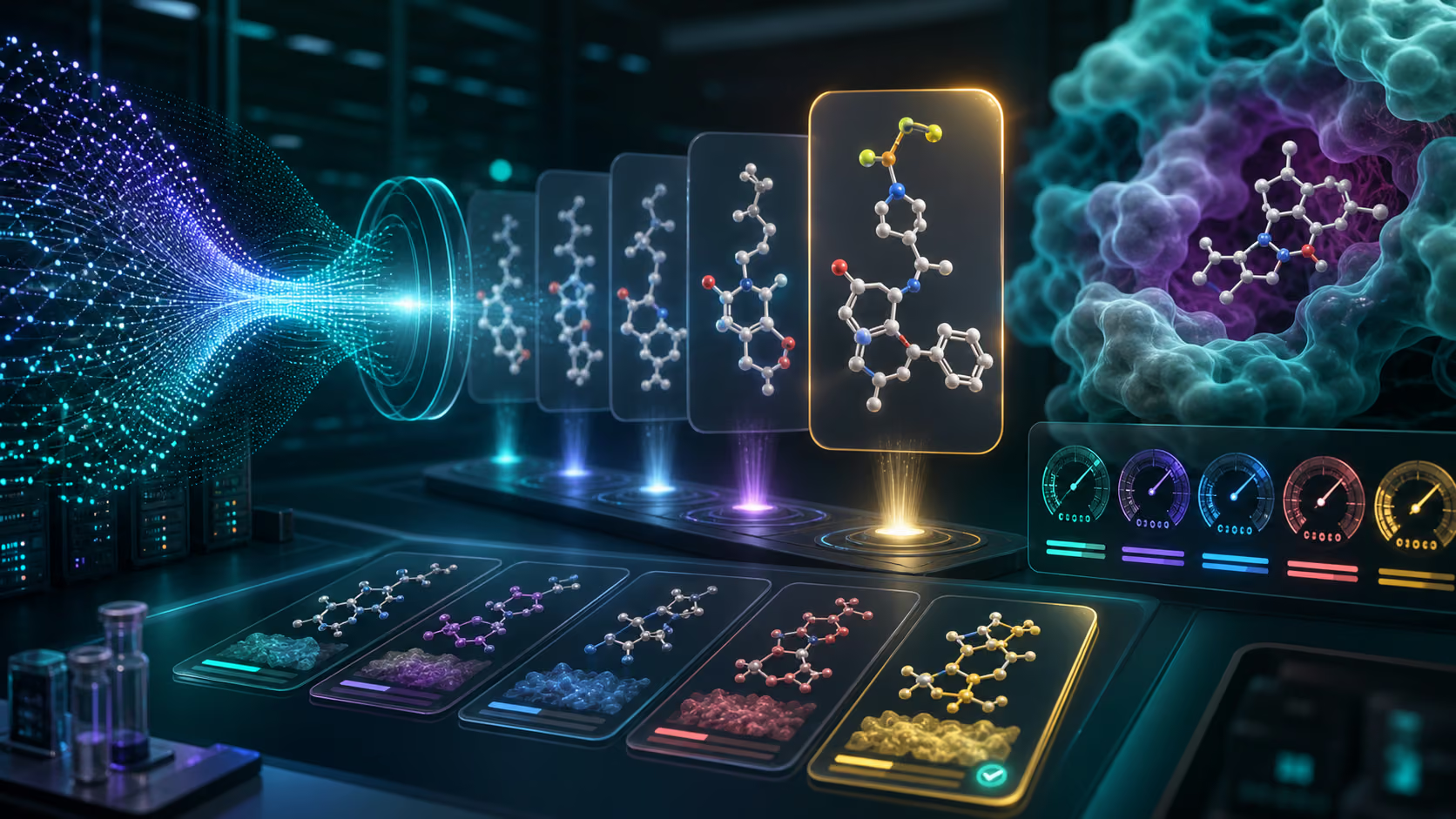
Generative AI for Drug Design: From New Molecules to Testable Ideas
How do AI-generated molecules become candidates worth making? Explore molecular representations, competing design goals, and the evidence behind a useful proposal.

AI and IND Documentation: From Research Evidence to a Reviewable Draft
See how AI can help organize an IND evidence package, trace draft statements to studies, and flag inconsistencies for scientific and regulatory review.
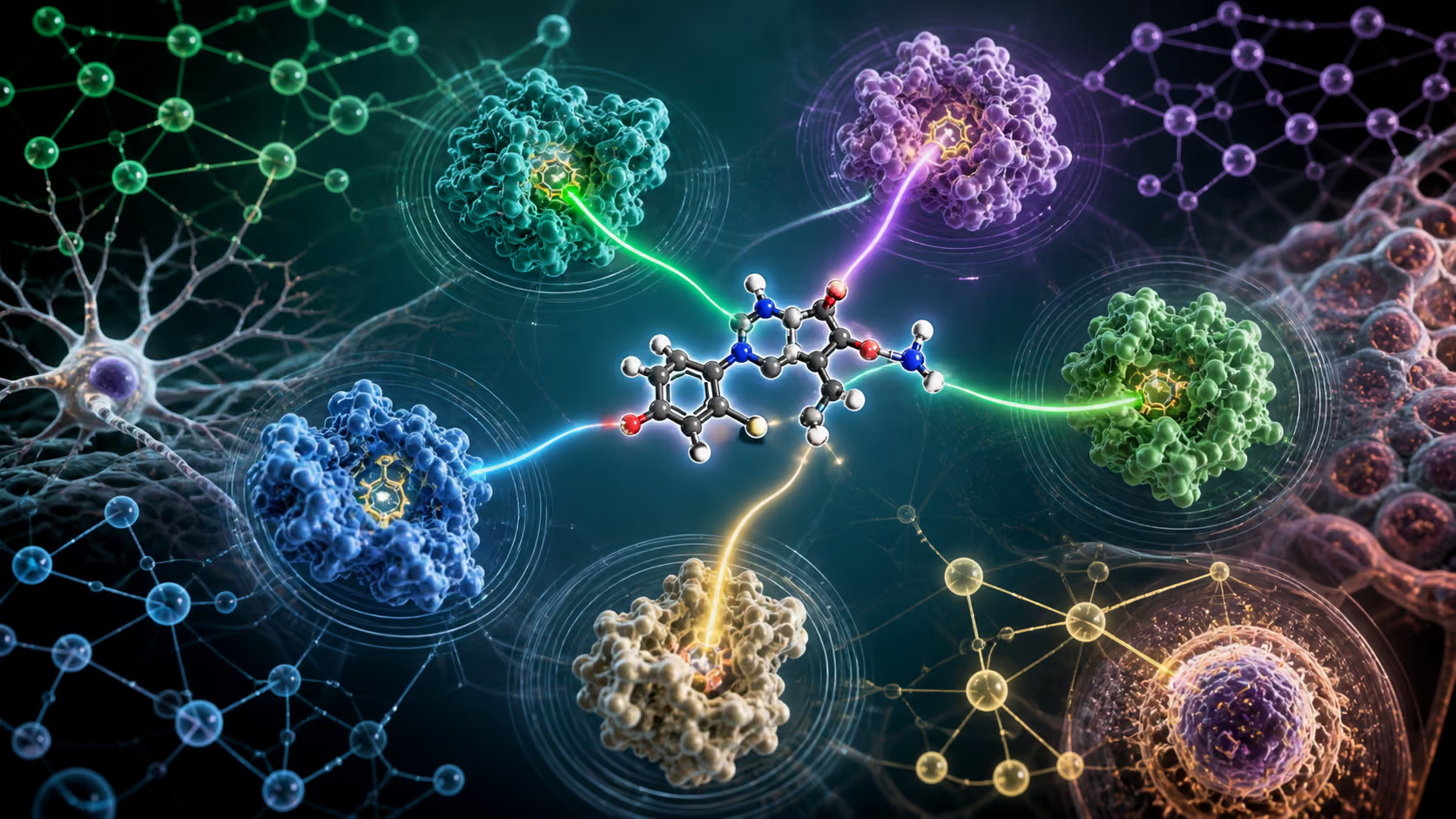
Multi-Target Drug Design: Why More Targets Need a Better Rationale
Compare a multi-target molecule with a drug combination, explore how exposure changes binding, and see what evidence a useful target combination needs.

Building an AI Biotech: What a Useful Platform Should Prove
How do you tell a useful AI biotech platform from a convincing demo? Look at shared tools, prospective experiments, and the decisions the evidence changes.
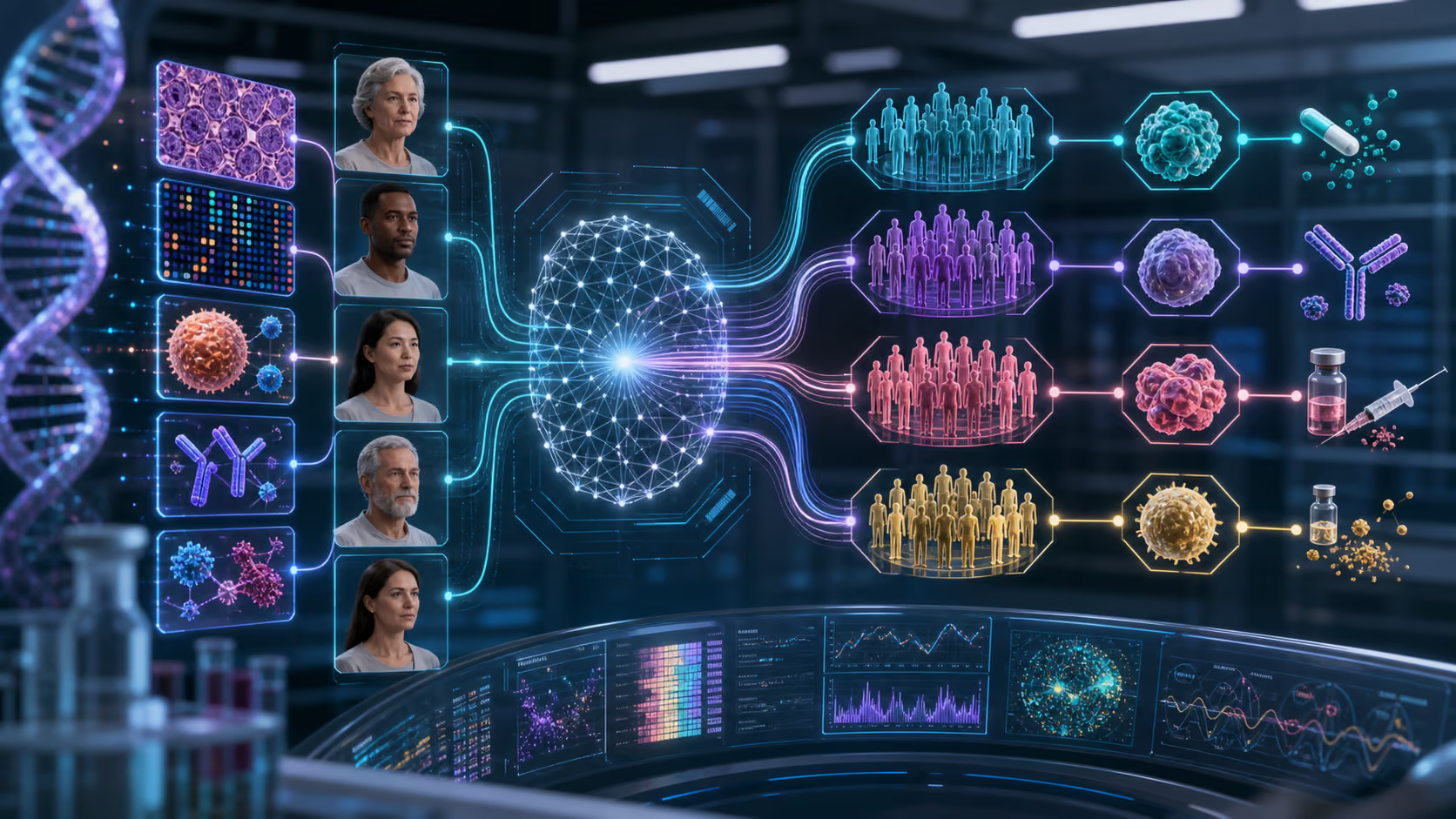
AI and Precision Medicine: Which Patient Differences Actually Matter?
Understand the difference between predicting outcomes and predicting treatment benefit, with a visual subgroup example and a guide to evaluating patient models.

Can AI Make Drug Development Cheaper? Follow the Costs
Explore where drug research money goes, how AI could reduce waste, and why fewer experiments do not always mean lower costs per successful program.
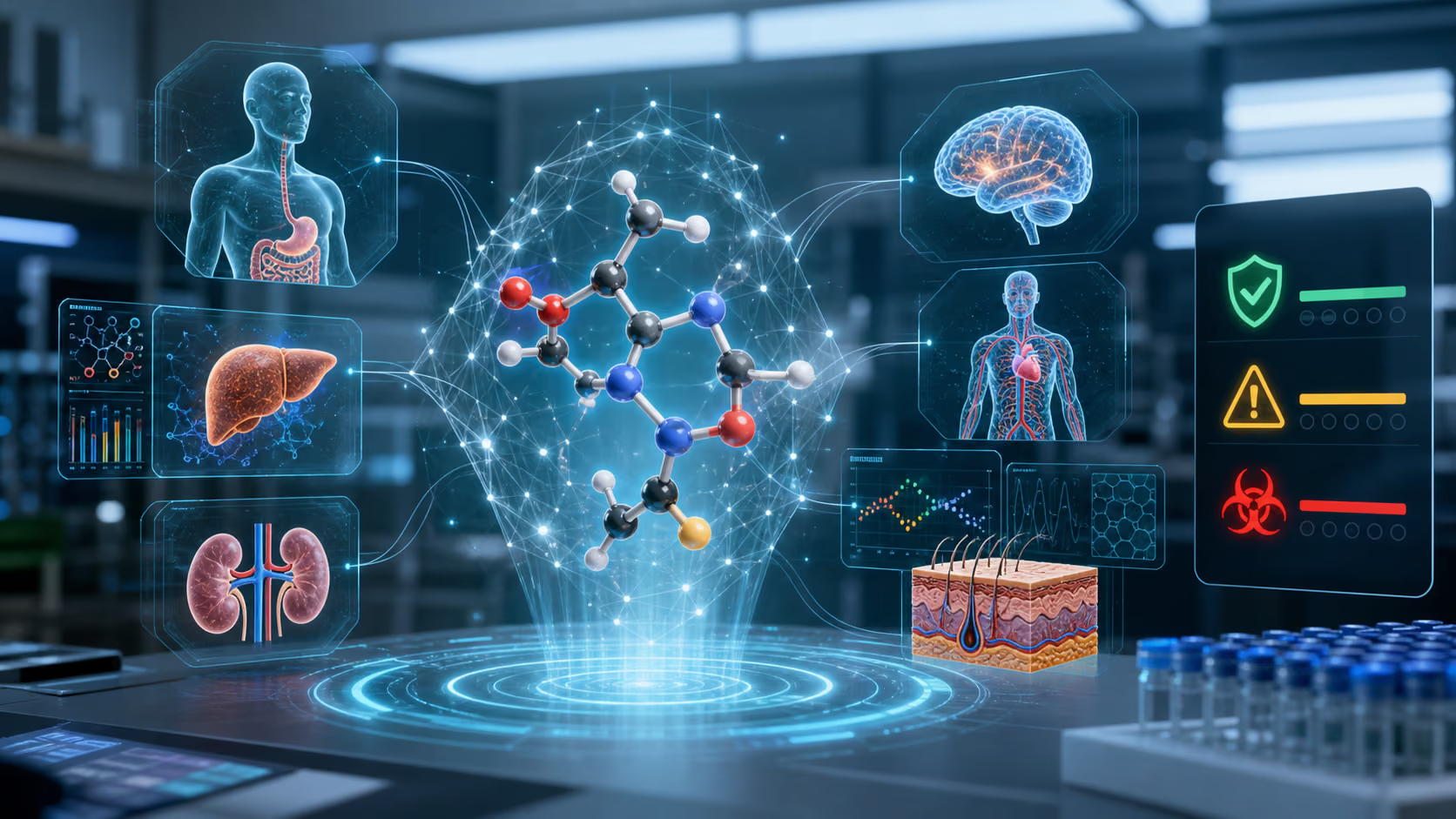
ADMET Explained: Why Strong Binding Is Only the Beginning
Follow a molecule beyond the binding assay. Learn what ADMET means, how absorption differs from bioavailability, and where AI predictions help researchers.

AI and Rare Diseases: Making Small Research Programs More Informative
Explore why rare disease research needs natural history, careful comparisons, and patient input, and where AI and drug repurposing can help.